Can You Add a Photo, Carving or Personal Design to a Gravestone?
Creating a Personal Design on a Gravestone
A gravestone does not have to follow a standard design. Many families want a memorial that reflects the personality, interests, beliefs or relationships of the person who has died. A personal design on a gravestone can help create that sense of individuality.
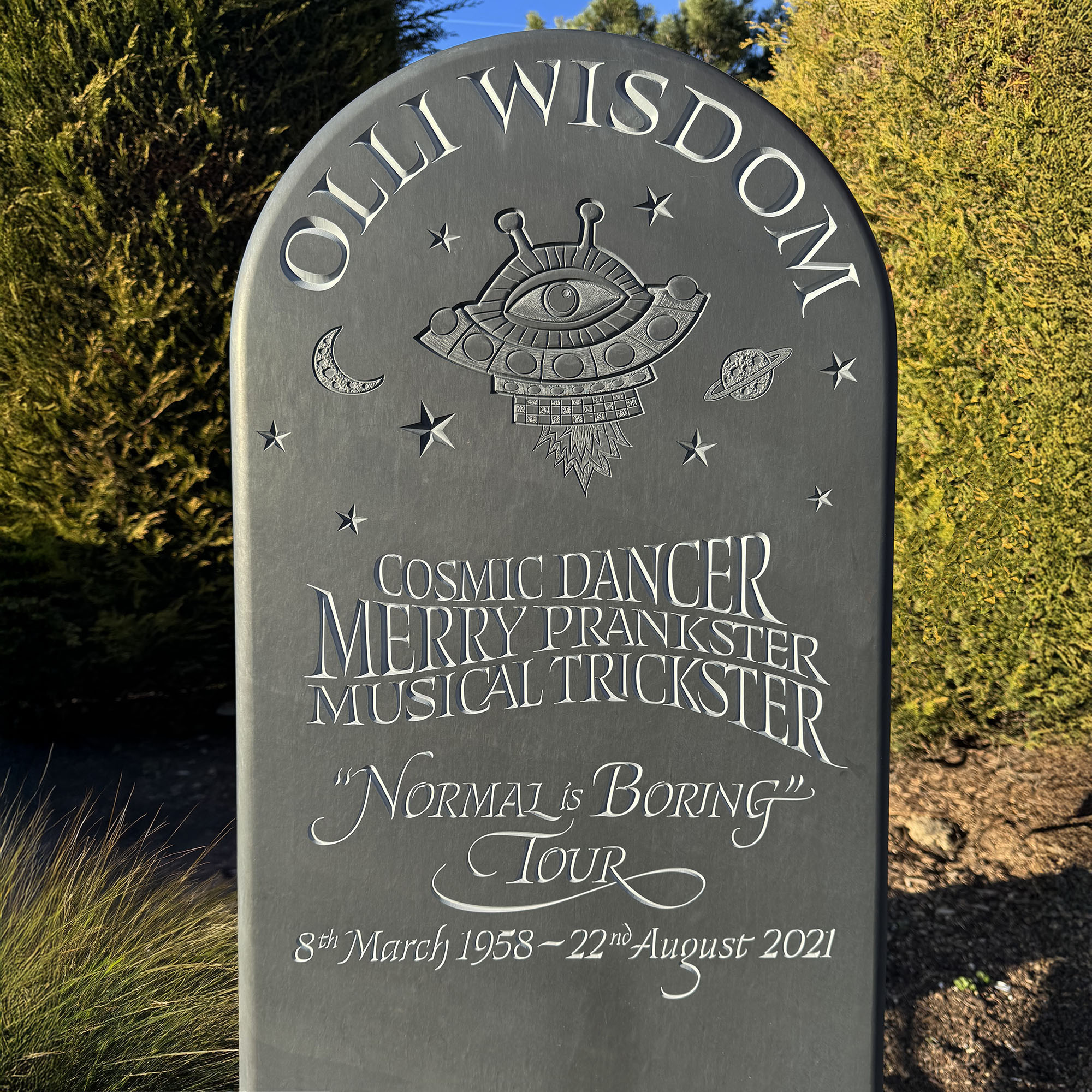
Personalisation may involve a carved flower, religious symbol, meaningful object or carefully chosen decorative motif. In some cases, families wish to include a photograph or portrait. Others prefer bespoke lettering, a distinctive memorial shape or artwork based on something the person loved.
The right choice will depend on the stone, the burial ground regulations and the amount of space available. However, with careful planning, many personal ideas can become part of a lasting and dignified memorial.
At Artisan Memorials, each design begins with a discussion about the person being remembered. That conversation helps shape the lettering, imagery and material. It also ensures the finished memorial feels personal rather than decorative for its own sake.
What Can Be Added to a Gravestone?
Families often ask whether almost any design can be added to a gravestone. In principle, there is a wide range of possibilities. However, the design must remain suitable for the stone and the location.
Common additions include floral carvings, birds, trees, musical symbols, animals and religious motifs. Personal items can also be represented. For example, a design might include a favourite instrument, sporting reference, landscape or object connected with the person’s work or hobbies.
Some families choose a very subtle design. A small flower or symbol may sit beside the inscription without dominating the stone. Others prefer a larger carved panel that becomes a central feature of the memorial.
It is also possible to create bespoke headstones with unusual shapes, natural edges or carefully planned visual details. The design should always support the inscription and overall meaning of the memorial.
Start with the Person, Not the Decoration
The most successful memorial designs usually begin with a memory rather than a catalogue of motifs. Think about what mattered to the person. Were they known for gardening, music, faith, animals or a particular place?
A personal detail does not need to be complicated. Sometimes one carefully chosen image says more than several decorative elements. Keeping the design focused also helps the gravestone remain calm, balanced and easy to read.
Families may find it helpful to bring photographs, sketches or examples to the initial discussion. These can then be developed as part of the headstone design process.
Can You Add a Photograph to a Gravestone?
Photographs can be incorporated into some gravestone designs, although the method used will depend on the material and the intended appearance. A portrait may provide a strong visual connection, especially when families want the memorial to show the person as they were remembered.
One option is a ceramic photograph fixed securely to the memorial. These are usually made to withstand outdoor conditions and may be oval, rectangular or shaped to suit the design. Ceramic images can be produced in colour or black and white.
Another option is an etched image. This technique is particularly associated with dark, polished granite because the contrast allows the portrait to appear clearly. The final result can range from a simple outline to a more detailed representation.
Choosing the Right Photograph
The quality of the original image matters. A clear photograph with good lighting and a simple background will usually produce the strongest result. Small, blurred or heavily shadowed images may not reproduce as well.
It is also important to consider how the photograph will sit alongside the inscription. A portrait should not make the wording feel crowded. Instead, the image and text should be arranged as one complete design.
Some families prefer not to include a full portrait but still want a visual reference. In that case, a silhouette, line drawing or simplified motif may feel more timeless. The choice depends on personal taste and the style of the memorial.
Are Photographs Allowed Everywhere?
Not every cemetery or churchyard permits photographs. Traditional churchyards often have stricter rules, particularly where memorials need to remain consistent with the historic surroundings.
Before including a photograph, check the burial authority’s regulations. A memorial mason can help determine what is likely to be approved and suggest alternatives if the original idea is not permitted.
Where a photograph cannot be used, a carved symbol or personal inscription may still create a meaningful connection. The aim is to preserve the sentiment while respecting the rules of the setting.
Carved Motifs and Decorative Details
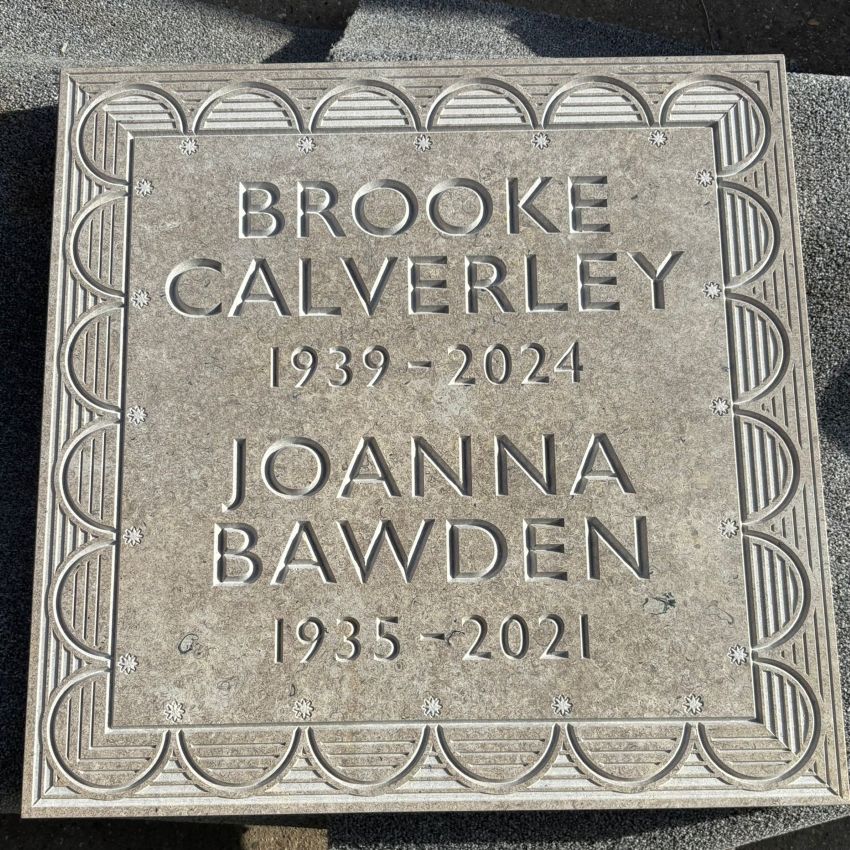
Carving is one of the most traditional ways to create a personal design on a gravestone. A motif can be cut directly into the stone, creating a detail that feels permanent and integrated rather than added afterwards.
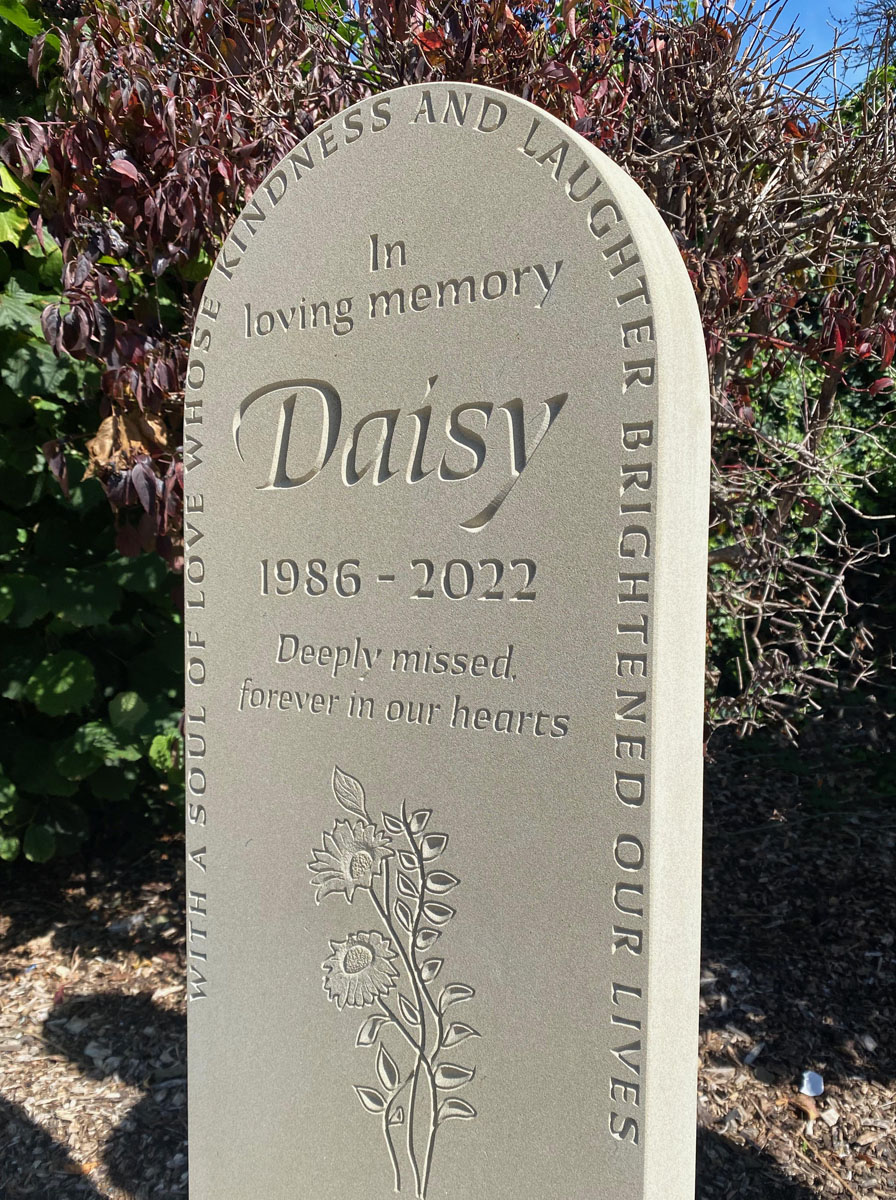
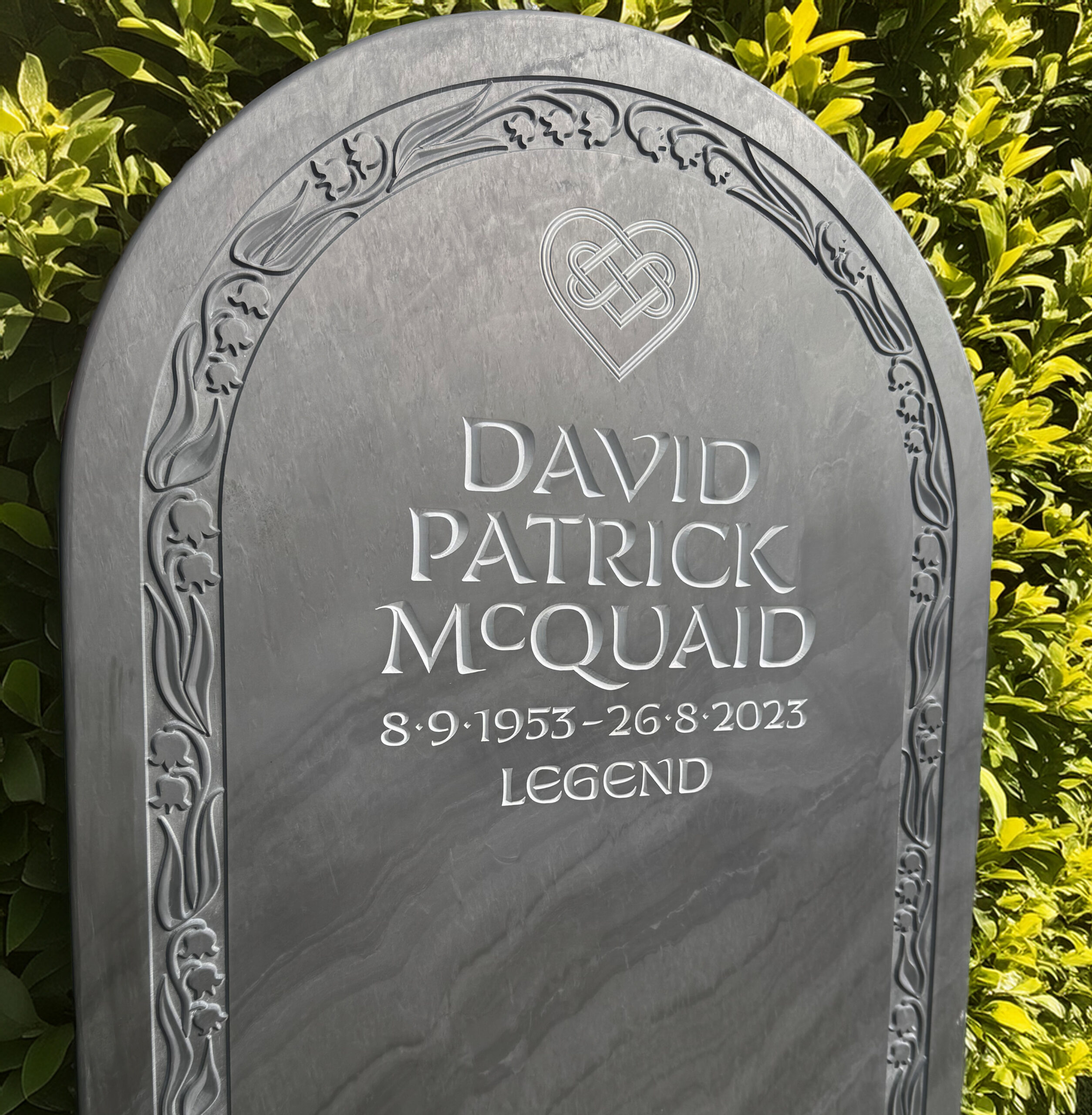
Flowers are particularly popular because different varieties carry different associations. Roses may represent love, while lilies are often linked with peace or purity. Poppies, daffodils and wildflowers can also reflect personal memories or favourite places.
Religious symbols, including crosses, Islamic motifs or Chinese characters, may also form part of the design. Artisan Memorials creates a range of culturally and personally appropriate memorials, including Islamic headstones and Chinese headstones.
How Stone Choice Affects Personalisation
The type of stone plays a major role in deciding what level of detail can be achieved. Some materials hold fine carving exceptionally well, while others are better suited to simpler, bolder designs.
Slate and Fine Carved Detail
Slate has a smooth, fine-grained surface that can support crisp lettering and detailed carving. This makes it an excellent choice for delicate motifs, fine lines and traditional V-cut work. Dark slate also provides strong contrast with carved lettering. Depending on the finish, inscriptions may be left natural, painted or gilded. Its understated appearance works well with subtle personal details.
Granite and Etched Images
Polished granite is often selected for etched portraits and highly detailed images. Black granite provides especially strong contrast, allowing lighter etched lines to remain clearly visible. Granite also supports a range of lettering finishes. However, its polished appearance may feel more contemporary than natural slate, sandstone or limestone. The choice should suit both the design and the burial ground.
Sandstone and Limestone
Sandstone, Portland stone, Nabresina and Purbeck all have their own natural texture. They can support carved motifs, although the design must work with the grain and markings of the material. On strongly textured stone, simpler carving may be more effective than fine detail. A bold flower, cross or natural motif can sit beautifully within the surface. By contrast, an extremely detailed portrait may lose clarity.
Families can explore the available types of memorial stone before choosing the final design. Viewing real samples makes it easier to understand how the material will affect the lettering and artwork.
Personal Lettering and Inscriptions
Personalisation is not limited to imagery. The inscription itself can make a gravestone deeply individual. Wording may reflect family relationships, religious beliefs, personality or a phrase associated with the person. The lettering style also affects the character of the memorial. Formal Roman lettering creates a traditional appearance, while softer scripts may feel more personal. However, readability should always remain a priority.
V-cut lettering is a traditional technique that creates depth and shadow within the inscription. It can be especially effective on slate and other fine-grained natural stones. You can learn more about memorial lettering and V-cutting before deciding which finish is most suitable.
Combining Words and Images
A strong design balances the inscription with the carved or etched details. If the image is large, the wording may need to remain concise. Alternatively, a small motif can complement a longer inscription without competing for attention. Good spacing helps every element breathe. The name should remain prominent, while dates, relationships and personal messages should follow in a clear order.
It is often better to remove one unnecessary detail than to overcrowd the memorial. Simplicity can give the finished stone greater emotional impact.

Gravestone Regulations and Design Approval
Before a personal design can be created, the cemetery or churchyard rules must be considered. Each burial authority may have its own requirements covering stone type, shape, size, finish, wording and imagery.
Churchyards are often more restrictive than municipal cemeteries. They may prohibit polished surfaces, photographs or designs that do not suit the traditional setting. Cemeteries may offer more flexibility, although formal approval will still be required.
It is sensible to review the relevant headstone regulations early in the process. This prevents families from becoming attached to a design that cannot be approved.
Can Unusual Designs Be Approved?
An unusual design is not necessarily unacceptable. Burial authorities are often more concerned with whether the memorial suits the setting, remains safe and uses appropriate materials.
A skilled memorial mason can present the idea clearly and make adjustments where necessary. For example, a large photograph might be replaced with a smaller carved motif. A highly polished stone might be changed to a honed finish.
The aim is to preserve the meaning behind the design while meeting the practical requirements of the burial ground.
Working with a Memorial Stonemason
Turning a personal idea into a stone memorial requires both creative and technical skill. The design must look right on paper, but it must also be possible to carve, fix and maintain safely.
Experienced memorial stonemasons can advise on proportion, stone choice, lettering and the level of detail that will work. They can also explain how the design is likely to weather over time.
During the design stage, families should have the opportunity to review the layout before the work begins. Names, dates and wording need careful checking, while the placement of motifs or photographs should be agreed in advance.
Creating a Memorial That Feels Personal
A personal design on a gravestone should feel relevant to the person rather than simply unusual. The strongest memorials often combine a restrained design with one or two meaningful details.
A carved flower may recall a garden they loved. A musical note may represent a lifelong passion. A bird, tree or landscape may evoke a particular memory. Even the shape and texture of the stone can carry personal meaning.
The inscription can then bring the design together. Artisan Memorials can help families consider suitable headstone inscriptions alongside the artwork and lettering style.
Speak to Artisan Memorials About a Bespoke Design
Photos, carvings and personal motifs can all help create a memorial that reflects an individual life. However, every element needs to suit the stone, the setting and the overall design.
Artisan Memorials works closely with families to develop thoughtful, bespoke memorials. We can discuss your ideas, review photographs or sketches, and advise on the most suitable materials and carving techniques.
Please contact Artisan Memorials to discuss adding a photograph, carving or personal design to a gravestone. Together, we can create a memorial that feels distinctive, respectful and deeply meaningful.
We work all over the UK, offering the complete service, from design to installation
08081960935


