
What Is the Best Stone for a Gravestone in the UK Climate?
Choosing the Best Stone for a Gravestone
Choosing the best stone for a gravestone is an important part of creating a lasting memorial. The stone must suit the setting, complement the design and remain suitable for outdoor conditions for many years. In the UK, this means considering frequent rain, frost, wind, damp conditions and changing temperatures.
Appearance is often the first thing families notice. However, the way a stone performs over time matters just as much. Some materials retain a more consistent finish, while others gradually develop natural markings and character. Neither option is necessarily better. The right choice depends on personal taste and the location where the memorial will stand.
The cemetery or churchyard setting should also guide the decision. Traditional burial grounds often favour natural British stone with a softer finish. By contrast, modern cemeteries may allow a broader range of materials, colours and polished surfaces. Before settling on a stone, it is always wise to check the regulations that apply to the burial ground.
Stone, Lettering and Memorial Design
The chosen inscription can also influence which material will work best. Fine-grained stone can hold detailed lettering and decorative motifs with great clarity. Other materials may suit bolder lettering, painted inscriptions or gilded details.
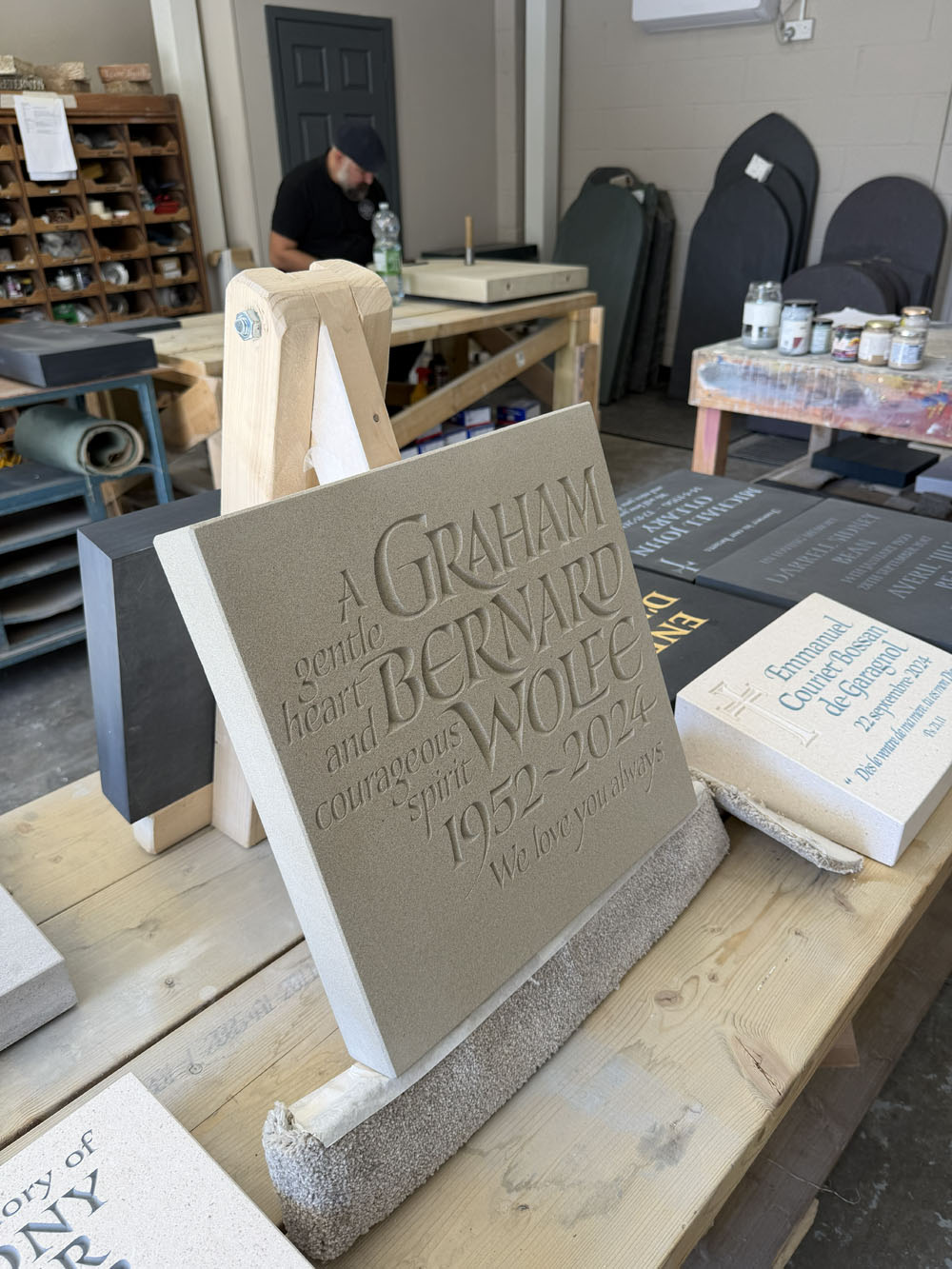
V-cut lettering, for example, requires a stone that responds well to precise carving. Slate and some limestones are especially suitable for this traditional technique. Granite can also carry clear lettering, although the method and finish may differ.
Shape is another practical consideration. A simple tablet may work well in almost any material. However, more detailed carvings, shaped shoulders or intricate designs may require a stone with the right grain and structural strength.
At Artisan Memorials, families can choose from a carefully selected range of memorial stones. Each material has its own texture, colour and character. Understanding those differences makes it much easier to choose the best stone for a gravestone.
It can also help to view real stone samples rather than relying only on photographs. Natural variations are an important part of memorial stone. Seeing the material in person allows you to appreciate its depth, texture and individual markings.
Slate and Granite Headstones
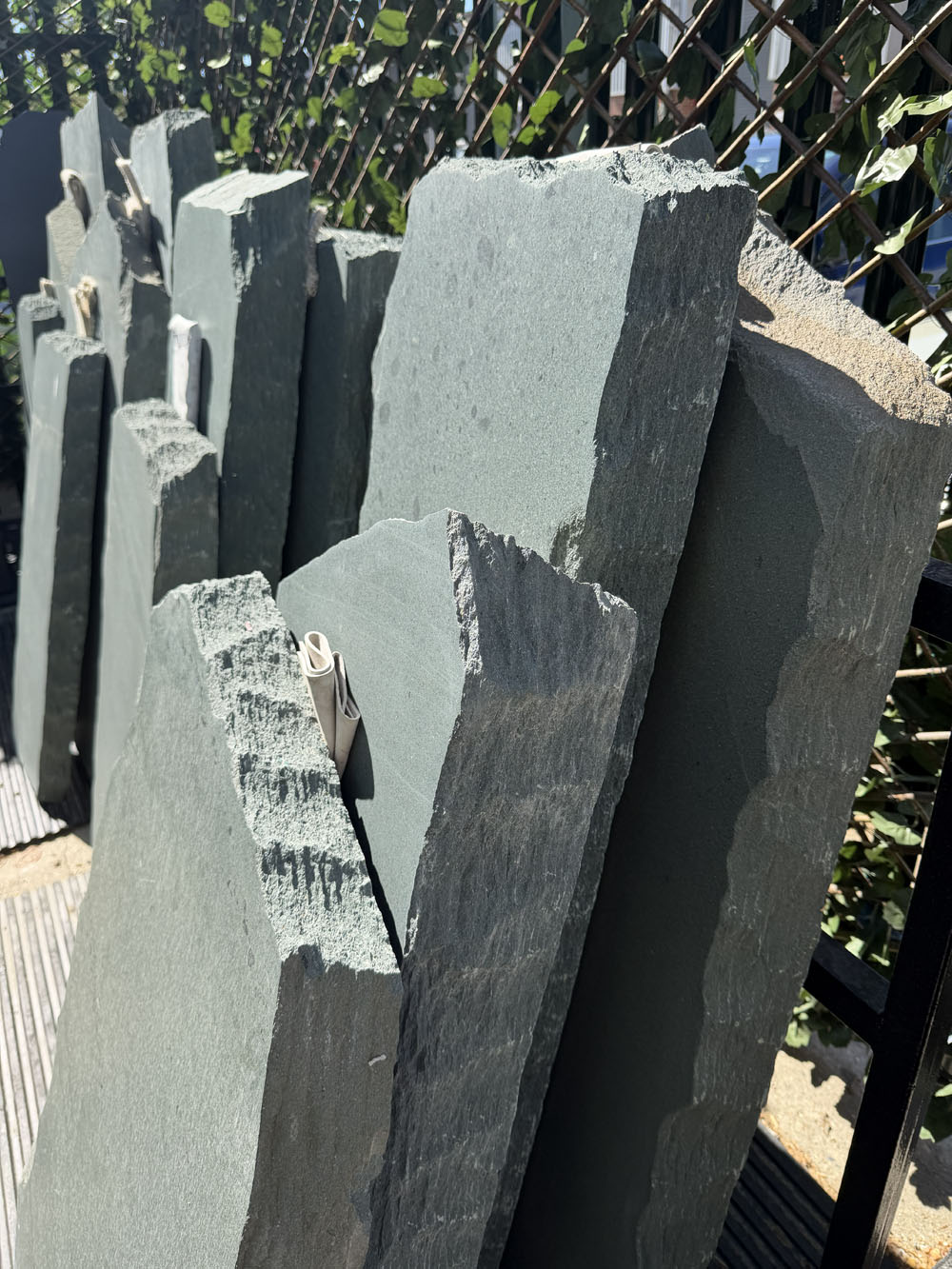
Slate and granite are among the most widely considered options for gravestones in the UK. Both can perform well outdoors, but they create very different appearances.
Slate Headstones
Slate has a distinctive, natural character and a long history in British memorial masonry. Its fine, smooth surface allows a skilled stonemason to create crisp lettering and detailed carved designs. This makes slate headstones particularly suitable for elegant inscriptions and hand-finished motifs.
Welsh and Cumbrian slate are often chosen for their dark blue-grey or charcoal appearance. Depending on the particular stone, subtle changes in tone may appear across the surface. These variations make each memorial individual.
High-quality slate also has low water absorption. Therefore, it generally responds well to Britain’s wet and cold climate. However, the source and grade of slate are important. Poor-quality material may contain weaknesses or layers that could separate over time.
Slate often works especially well in churchyards because it has a quiet, traditional appearance. Its natural surface can sit comfortably beside older memorials without looking overly polished or modern.
Granite Headstones
Granite is known for its durability and strength. It is a dense material that can withstand harsh weather and generally requires relatively little maintenance. For that reason, granite headstones remain a popular choice in many cemeteries.
Granite is available in a wide range of colours, including black, grey, blue and red. It may be highly polished, partly polished or given a softer honed finish. This variety allows families to choose between a contemporary appearance and something more understated.
Polished black granite creates strong contrast with gilded, white or silver lettering. It can also support etched images and detailed designs. However, highly polished stone may not be accepted in every churchyard, especially where regulations favour natural finishes.
Although granite is extremely hard-wearing, it does not automatically make it the best stone for every gravestone. The material should suit the design, location and overall atmosphere of the memorial. In a rural churchyard, slate or another natural British stone may feel more appropriate.
Sandstone, Portland Stone, Nabresina and Purbeck
Many families prefer the warmth and natural variation of limestone or sandstone. These materials often blend beautifully into traditional settings and can produce a softer, more timeless memorial.
Sandstone Headstones
Sandstone headstones are available in warm shades of buff, beige, brown and red. The stone often contains subtle bands, markings and changes in tone. As a result, no two pieces look exactly alike.
Sandstone is more porous than slate or granite, so it responds more visibly to outdoor conditions. Over time, its surface may soften and develop natural weathering. Some families value this evolving appearance because it helps the memorial settle into its surroundings.
Good-quality sandstone can remain an attractive memorial material for many years. However, careful stone selection and appropriate carving are essential. The design should work with the grain and natural structure of the chosen piece.
Portland Stone Headstones
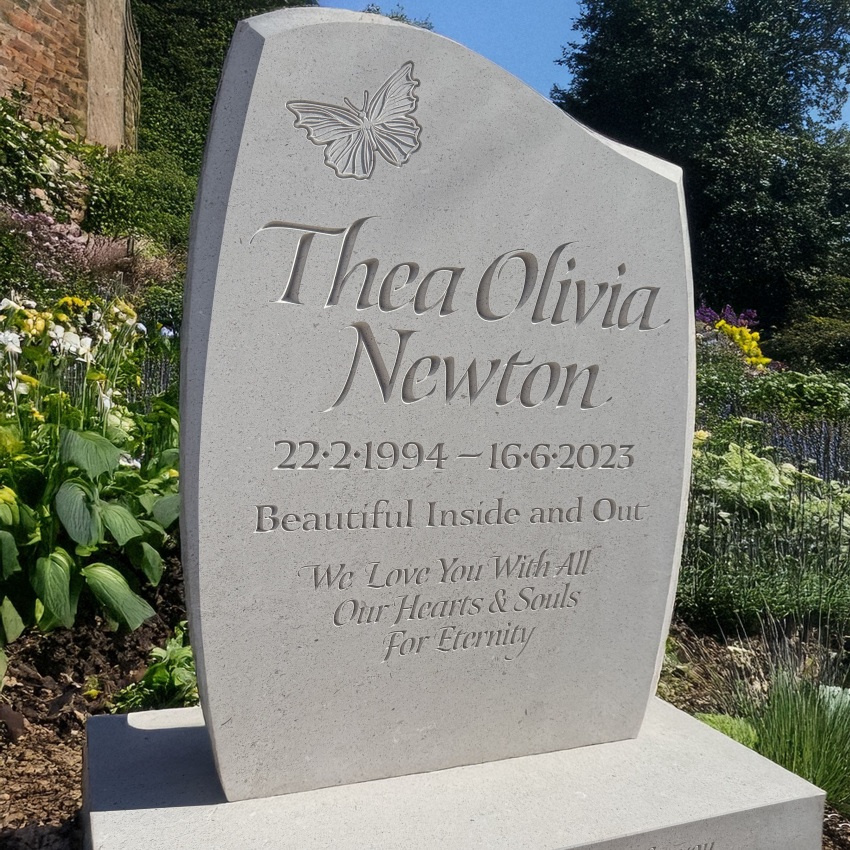
Portland stone headstones have a pale, refined appearance. Portland stone has been used for centuries in British architecture, monuments and memorials, so it feels particularly at home in traditional churchyards.
The stone is suitable for carved lettering and decorative detail. Its soft cream colour can also create a calm and elegant memorial. As the years pass, Portland stone develops natural tonal changes rather than remaining perfectly uniform.
This weathering is part of the material’s character. Nevertheless, the inscription and overall design must be planned carefully so they remain clear and balanced over time.
Nabresina Headstones
Nabresina headstones provide a pale beige alternative to darker materials. Nabresina has a relatively even appearance, although small natural markings may be visible within the stone.
Its neutral colour works well with traditional memorial shapes and understated carved lettering. It is often chosen by families who want a light-coloured memorial without the brighter white appearance associated with some types of marble.
Purbeck Stone Headstones
Purbeck stone headstones have strong natural character. The stone often contains visible fossils, shells and varied markings, which means every memorial is genuinely unique.
Purbeck can be an especially meaningful choice for families who value British stone and natural individuality. Its texture suits rustic and traditional memorials, particularly in rural churchyards.
However, the natural inclusions need to be considered when planning the lettering. A skilled memorial mason will position the inscription and carved details so they work with the stone rather than fighting against its character.


How to Decide Which Stone Is Right
There is no single answer to the question of the best stone for a gravestone. Granite offers strength and consistency. Slate provides excellent carving qualities and a traditional appearance. Sandstone, Portland stone, Nabresina and Purbeck offer warmth, texture and natural variation.
Check the Burial Ground Regulations
Before choosing the material, check what the cemetery or churchyard permits. Some burial grounds place restrictions on colour, size, finish or stone type. A polished granite memorial may be accepted in one cemetery but refused in a traditional churchyard. These regulations should be considered early in the headstone design process. That way, the chosen stone and design can be developed around the requirements from the start.
Consider How the Stone Will Age
Think about whether you prefer a more consistent appearance or a memorial that changes naturally with time. Granite tends to retain its polished finish, while sandstone and limestone may develop softer tones and natural growth. Maintenance may also influence the decision. All memorials will need some care eventually, but polished materials usually require a different approach from natural, textured stone.
Match the Stone to the Inscription
The lettering should be part of the decision rather than an afterthought. A long inscription, small lettering or detailed motif may require a fine-grained surface. Meanwhile, a simple design with bold lettering may suit a wider range of materials. It is also important to leave enough space around the words. An inscription should feel calm and balanced rather than crowded. Skilled layout and careful spacing make the lettering easier to read and give the memorial greater dignity.
Choose a Stone with Personal Meaning
Practical factors matter, but the emotional connection matters too. A particular colour or texture may remind the family of a landscape, a home or something the person loved. British stone may feel important because of its origin, while a darker material may suit a more formal design. When possible, take time to view examples and discuss how each stone will work with the chosen memorial. A photograph cannot always show the subtle texture, weight and variation of natural material.
Speak to Artisan Memorials
Choosing the best stone for a gravestone involves balancing durability, appearance, lettering, regulations and personal preference. Professional advice can make that decision much clearer. We create bespoke memorials in a range of carefully chosen stones. We can explain how each material is likely to weather, which lettering styles will suit it and whether it will be appropriate for the burial ground. Whether you prefer the crisp surface of slate, the durability of granite, the warmth of sandstone or the natural character of Purbeck, the aim is to create a memorial that feels right for your loved one.
Please contact Artisan Memorials to discuss the available stones and begin creating a lasting, personal memorial.
We work all over the UK, offering the complete service, from design to installation
08081960935


