How to Choose the Right Gravestone for a Loved One
How to Choose the Right Gravestone
Choosing a gravestone for someone you love is a decision that combines practical considerations with something much more personal. The memorial needs to suit the cemetery or churchyard, stand up well to the British climate and provide enough space for the inscription. At the same time, it should feel appropriate for the person whose life it represents.
If you are wondering how to choose the right gravestone, it can help to approach the decision one step at a time. You do not need to decide on the stone, shape, lettering and decorative details all at once. Instead, begin by thinking about the person being remembered and the type of memorial that would feel fitting.
At Artisan Memorials, each memorial can be developed around the individual rather than simply selected from a fixed set of standard designs. Our bespoke headstones can incorporate different shapes, materials, lettering styles, carved artwork and personal motifs.
Think About the Person You Are Remembering
Some people would have preferred a traditional and understated memorial. Others might be better represented by something more individual. Their personality, beliefs, interests and family traditions can all help guide the design.
For example, a keen gardener might be remembered with a delicately carved flower. A natural-edged stone may suit someone who loved the countryside. Alternatively, a simple upright memorial with beautifully cut lettering may be exactly right for someone who preferred things to be uncomplicated.
Personalisation does not mean that every part of the gravestone needs to be unusual. Often, one carefully chosen detail can make a memorial distinctive without making the overall design feel busy.
Consider Where the Gravestone Will Be Installed
The burial ground is another important starting point. A gravestone that looks appropriate in a modern municipal cemetery may not necessarily be permitted in an old churchyard.
Cemeteries and churchyards can have rules covering height, width, stone type, finish, imagery and even the wording used on a memorial. Therefore, it is sensible to check the relevant headstone regulations before becoming committed to a particular design.
Understanding these restrictions early makes the rest of the process easier. It also means the design can be developed around what is permitted rather than having to be substantially changed later.
Choosing the Stone, Shape and Style
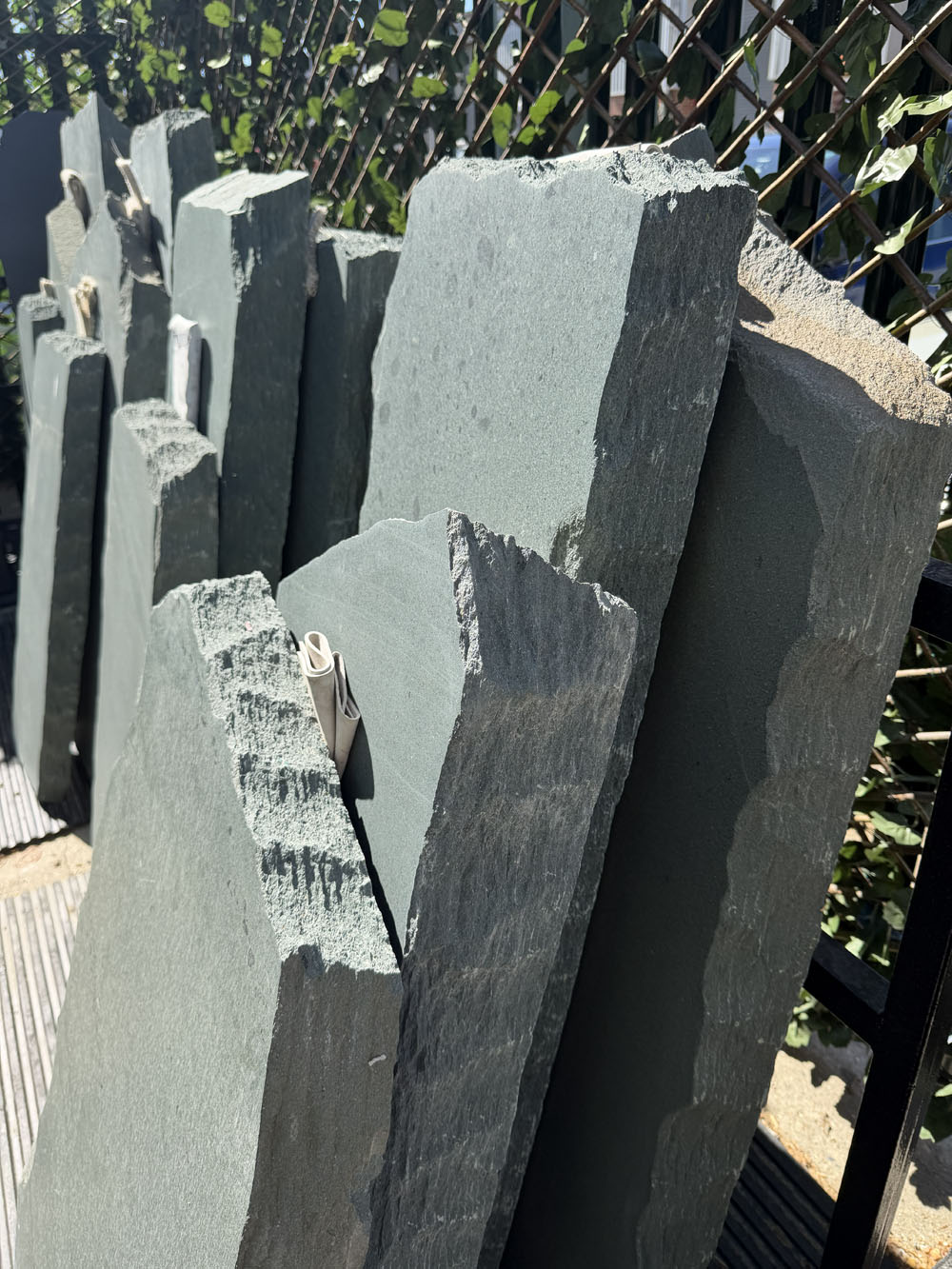
The material has a major influence on the appearance of a gravestone. It also affects the type of lettering and carving that can be achieved, as well as the way the memorial will weather over time.
Artisan Memorials works with a varied range of memorial stones, allowing families to choose a material that suits both their preferred design and the burial ground.
Slate, Granite and Natural Stone
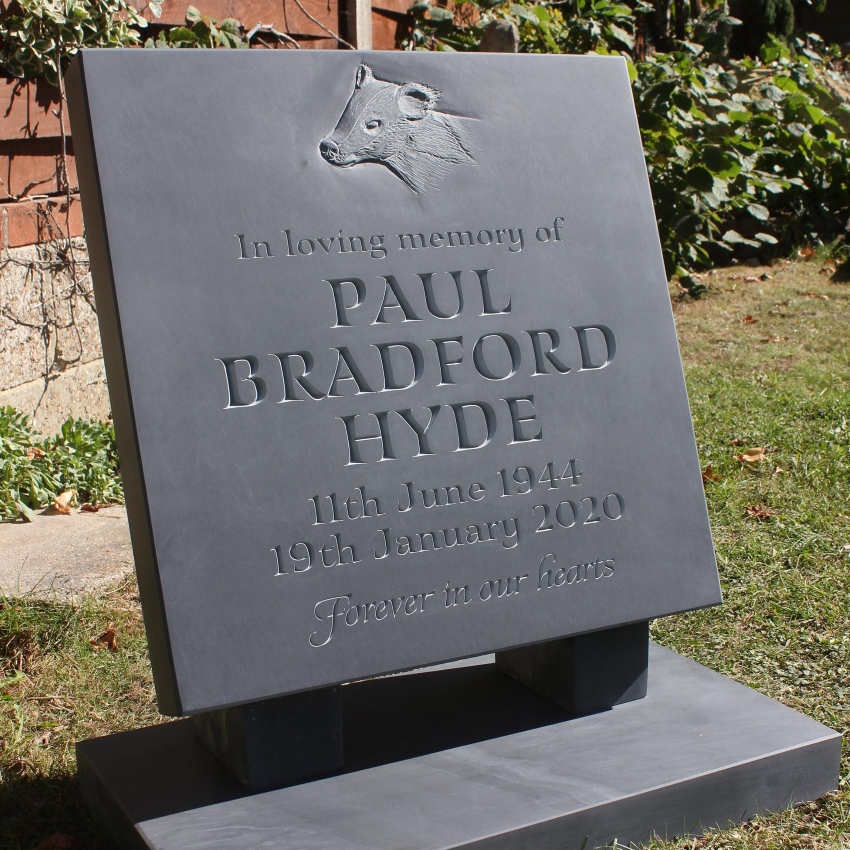
Slate is a popular choice for finely cut inscriptions and detailed carving. Welsh and Cumbrian slate can create an elegant, understated memorial and often works particularly well in traditional surroundings.
Granite offers a very different appearance. It is extremely hard-wearing and can be polished or given a softer finish. It is also available in several colours. Consequently, granite can work well for both traditional and contemporary gravestone designs.
Other options include sandstone, Portland stone, Nabresina, Purbeck and marble. Each material has its own colour, grain and natural markings. Some develop additional character as they weather, while others retain a more consistent appearance.
There is no single stone that is right for every family. The best choice depends on the setting, design, inscription and personal preference.
Choosing the Shape of the Gravestone
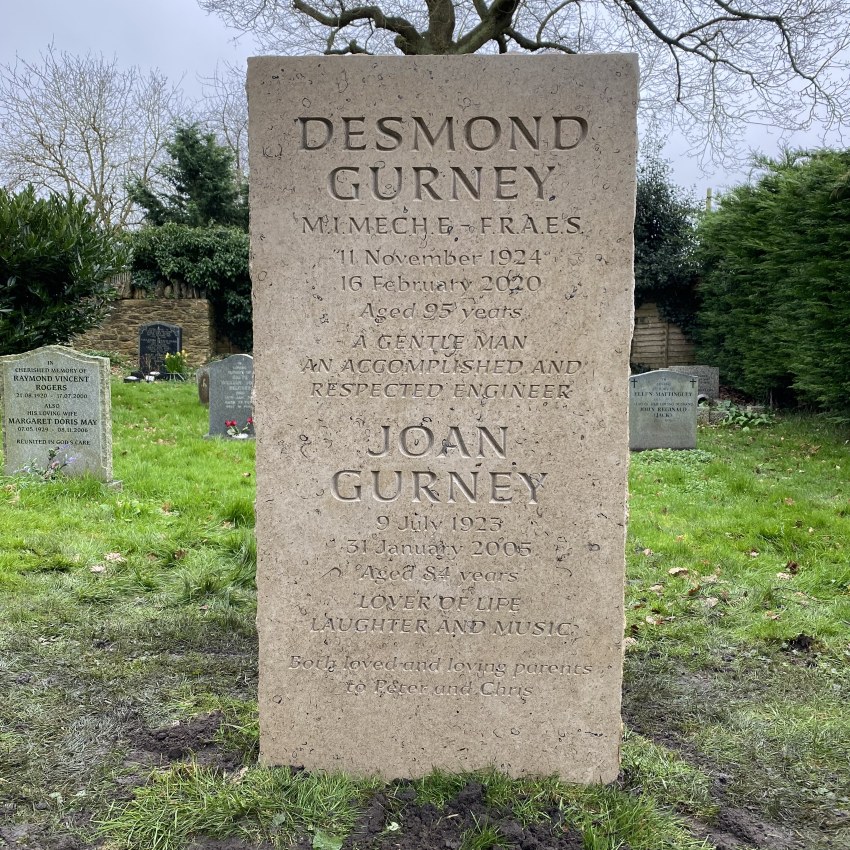
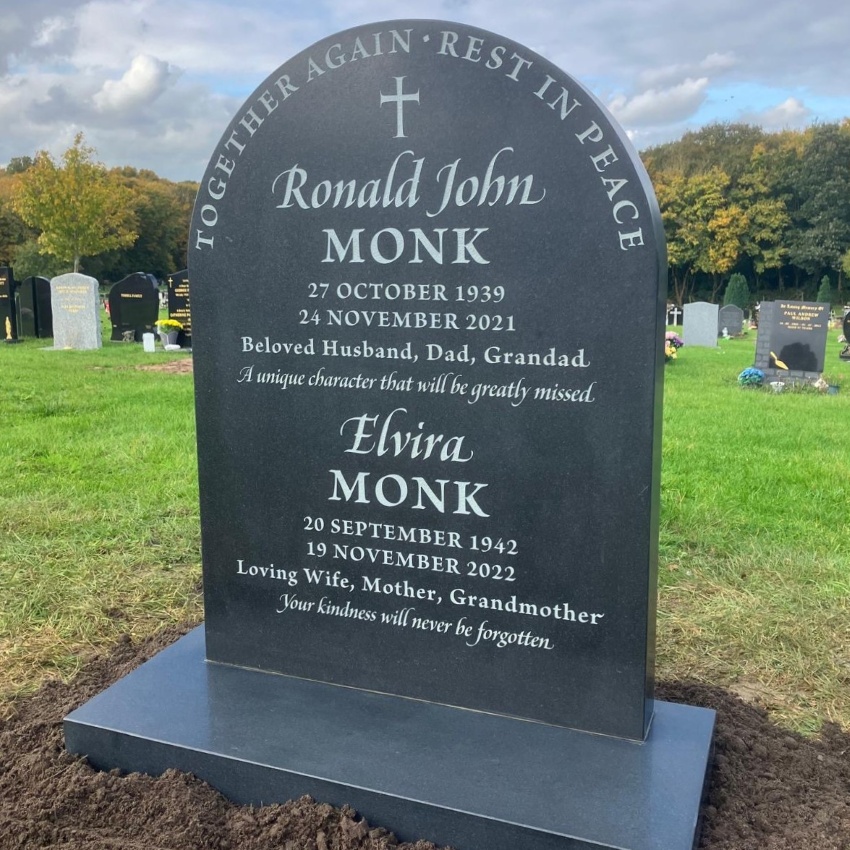
The shape can be simple or highly individual. Traditional upright tablets remain popular because they provide a balanced area for names, dates and inscriptions. However, families may also consider book-shaped memorials, curved tops, shaped shoulders, heart details, natural edges or fully bespoke profiles.
The size of the grave and cemetery regulations will influence what is possible. In addition, the amount of wording you want to include needs to be considered. A very small memorial may look beautiful, but it may not provide enough room for a long inscription and detailed artwork.
Our headstone design process allows these different elements to be considered together. This helps ensure the shape, material, wording and decorative details form one balanced design.
Traditional or Contemporary?
There is no need to follow current fashions. A gravestone is intended to remain meaningful for decades, so a design should feel appropriate to the person rather than simply fashionable today.
Traditional memorials may use classic shapes, natural stone and V-cut lettering. A contemporary design might include cleaner lines, polished granite or a more unusual profile. It is also possible to combine elements of both.
For example, a modern shape can work beautifully in traditional slate. Likewise, a classic upright memorial can be personalised with a contemporary carved motif or distinctive lettering.
Choosing the Inscription and Personal Details
For many families, the inscription is the most meaningful part of the gravestone. It records the person’s name and dates, but it can also say something about who they were and the place they held within the family.
There is no requirement to write a lengthy tribute. A few thoughtful words can often have greater impact than an inscription that tries to capture every part of a person’s life.
Planning the Gravestone Inscription
A typical inscription might begin with words such as “In Loving Memory”, followed by the person’s name, dates and family relationships. A short epitaph, religious verse or personal message may then be added beneath.
However, traditional wording is only one option. Families can choose something more personal if that feels right. Our guide to headstone inscriptions provides further ideas for wording and how it can be arranged on the stone.
The length of the inscription should also suit the memorial. Leaving enough space around the lettering makes the finished design easier to read and gives it a calmer appearance.
Adding Carvings, Motifs and Personal Details
A gravestone can also include artwork that reflects the person being remembered. Floral motifs, trees, birds, religious symbols and personal objects are all possibilities. In some circumstances, photographs or etched images can also be incorporated.
The important thing is to choose details for a reason. A carving should mean something to the family rather than simply filling an empty part of the stone.
The stone itself will influence how much detail can be achieved. Fine-grained materials can hold intricate hand-carved designs, while other stones may be better suited to bolder motifs.
Consider How Everything Works Together
A good memorial design needs balance. The lettering should not compete with the artwork, and decorative elements should not overwhelm the name of the person being remembered.
For that reason, it is useful to consider the complete memorial before any work begins. At Artisan Memorials, families can discuss their ideas and review the proposed design before it is created in stone.
This stage is also an opportunity to check names, dates and spelling carefully. Once an inscription has been carved, correcting an error can be considerably more difficult than changing it during the design stage.

Budget, Installation and Making the Final Decision
Cost will naturally form part of the decision when choosing a gravestone. However, comparing memorials purely by their initial price can be misleading because the material, size, lettering, artwork and installation can all affect the total cost.
Artisan Memorials provides clear guidance on headstone prices. Having a budget in mind from the beginning can also help the stonemason suggest materials and designs that remain within a comfortable price range.
What Affects the Cost of a Gravestone?
The stone itself is one factor. Some natural materials cost more than others because of their source, quality and the amount of work required to shape them.
Lettering and artwork can also affect the price. A straightforward inscription will usually require less work than a memorial featuring detailed hand carving or a complex bespoke design.
Installation and cemetery fees should be considered as well. A gravestone needs a secure foundation and professional fixing so that it remains safe. The burial authority may also charge its own permit or installation fee.
Do Not Feel Pressured to Make the Decision Quickly
Choosing the right gravestone deserves time. Except where particular burial-ground rules dictate otherwise, there is no benefit in rushing through the design simply to have the memorial completed as soon as possible.
Families often find that ideas become clearer once they have had time to consider the different stones and designs. You might initially imagine a polished memorial and later find that natural slate feels more appropriate. Alternatively, seeing different lettering styles may completely change how you picture the finished stone.
An experienced stonemason should be able to explain the practical differences without pressuring you towards one particular choice.
From Choosing a Gravestone to Installation
Once the design has been agreed, approval may need to be obtained from the cemetery or churchyard. The stone can then be prepared, carved and finished before installation takes place.
Professional headstone installation is an important final part of the process. The memorial must be installed correctly and securely, using methods suitable for the burial ground and the type of memorial.
Let Artisan Memorials Help You Choose the Right Gravestone
Learning how to choose the right gravestone is ultimately about bringing several decisions together. The material needs to suit the setting. The shape needs to provide enough space for the inscription. The lettering and artwork should feel personal, while the finished design must comply with cemetery or churchyard regulations.
Most importantly, the memorial should feel right for the person it represents.
Artisan Memorials works with families across the UK, providing guidance from the initial design and stone selection through to the finished memorial and installation. Whether you already know exactly what you would like or need help exploring the possibilities, our team can guide you through each stage.
Please contact Artisan Memorials to discuss your ideas and begin creating a gravestone that provides a lasting and personal tribute to your loved one.
We work all over the UK, offering the complete service, from design to installation
08081960935


